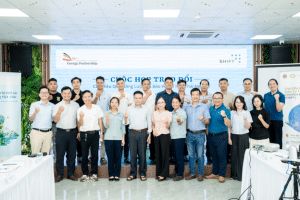
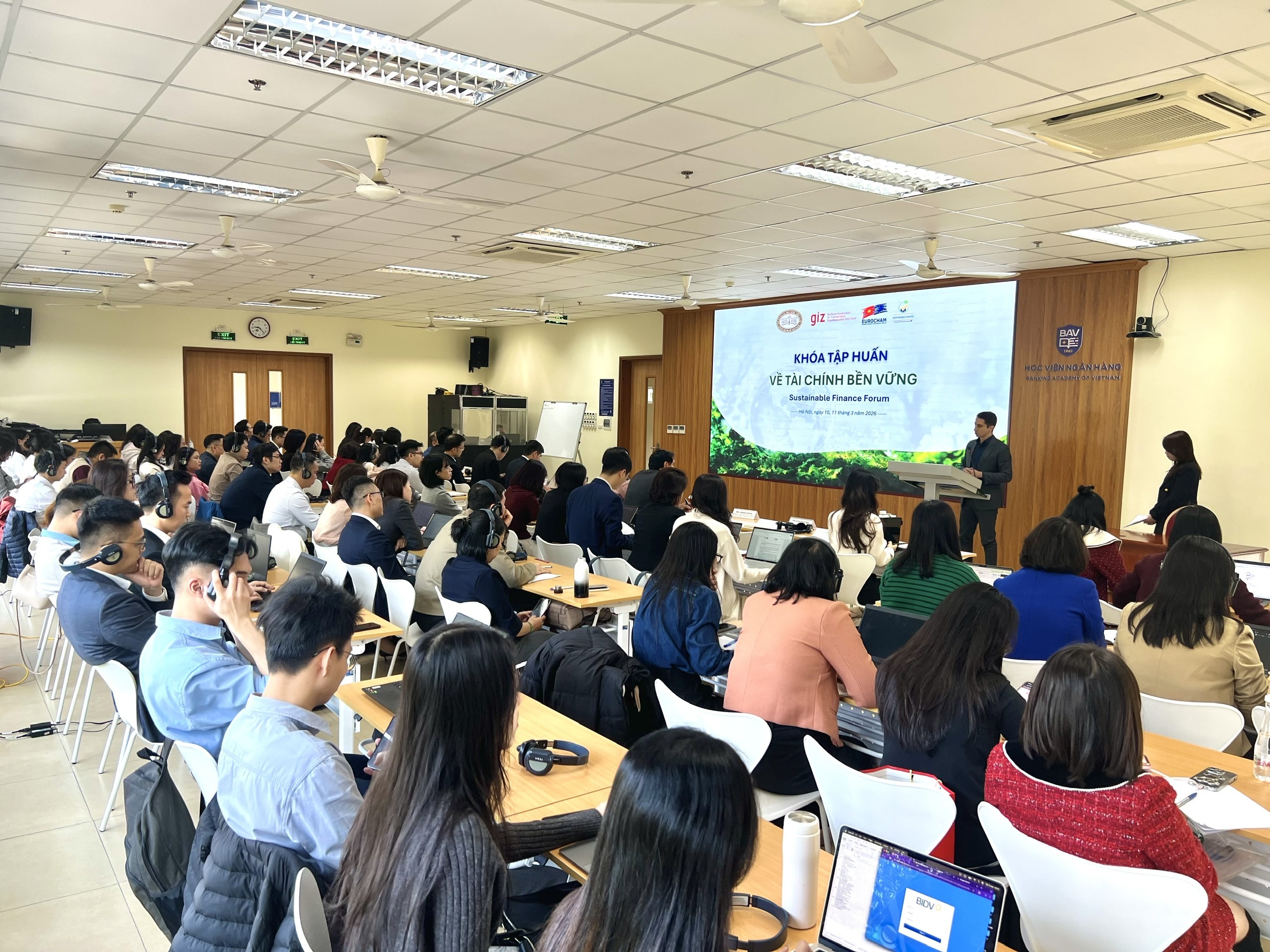
The July regular meetings of the Energy Efficiency and Climate Action Club (EEC) in Thai Nguyen and Ho Chi Minh City brought together industrial enterprises and experts to identify key barriers to green transition and exchange solutions. Building on the discussions and the Club’s achievements in 2025, the 2026 action plan focuses on targeted technical support, capacity building, and lessons learned to shape the EEC model beyond the pilot phase.
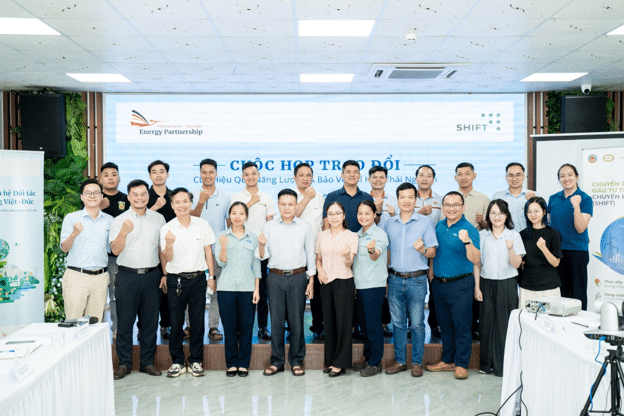
Many industrial enterprises are ready to embark on their green transition. However, turning this ambition into reality remains challenging. Companies continue to face a range of barriers, from developing technical solutions tailored to existing production facilities, proposing business plans that can secure management approval, to selecting qualified service providers, complying with increasingly stringent requirements on energy efficiency, emissions reduction and carbon markets, and accessing green finance.
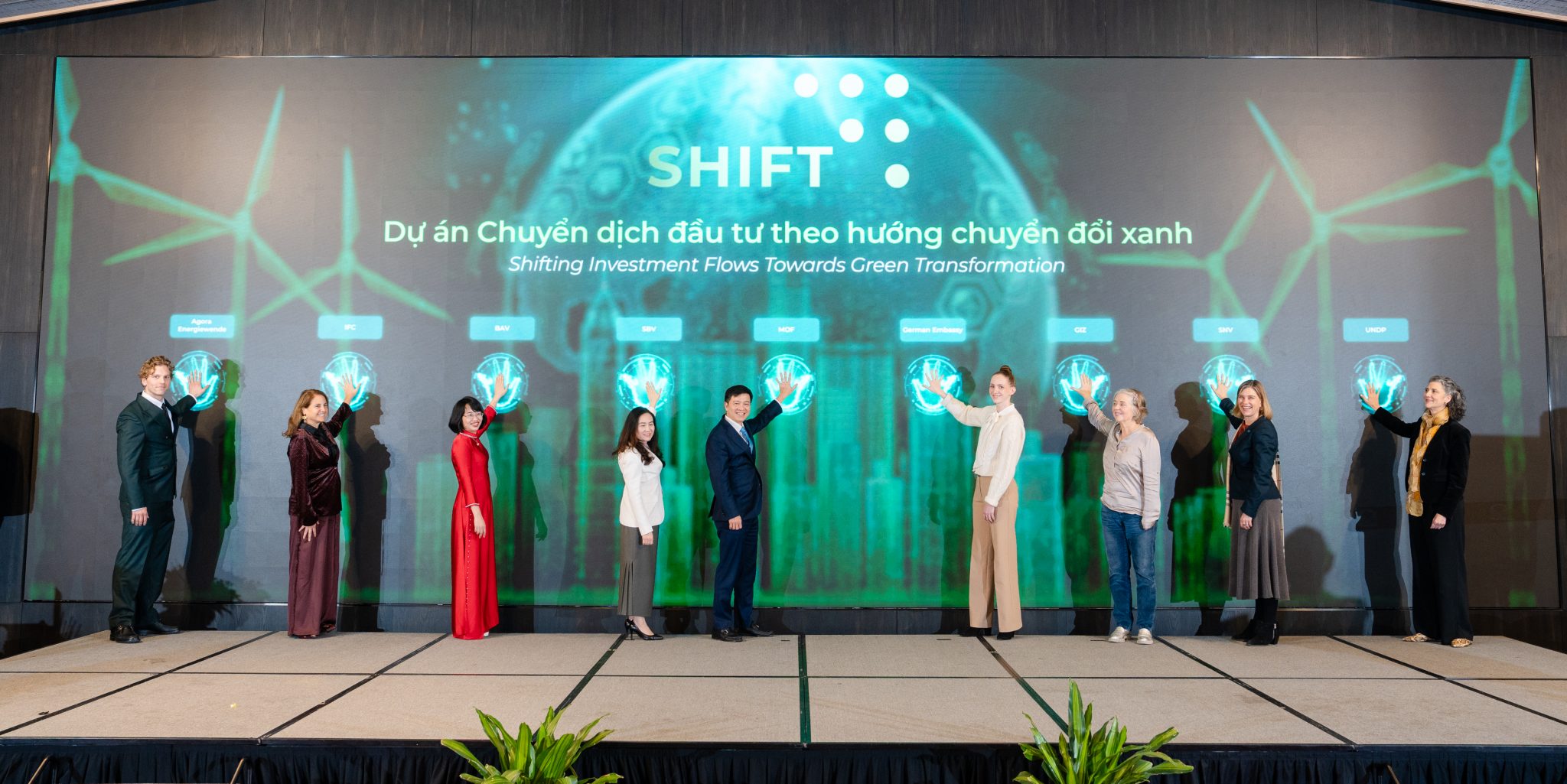
This is the insight shared by representatives from heavy industry, processing, and manufacturing companies during the July regular meetings of the Energy Efficiency and Climate Action Club (EEC) in Thai Nguyen and Ho Chi Minh City. The meetings were organised by GIZ under the framework of the Vietnamese-German Energy Partnership and the Sustainable Transformation of Investment in Green Transition (SHIFT) project, commissioned by the German Federal Ministry for Economic Affairs and Energy (BMWE) and the Ministry for the Environment, Climate Action, Nature Conservation and Nuclear Safety (BMUKN) through its International Climate Initiative (IKI).
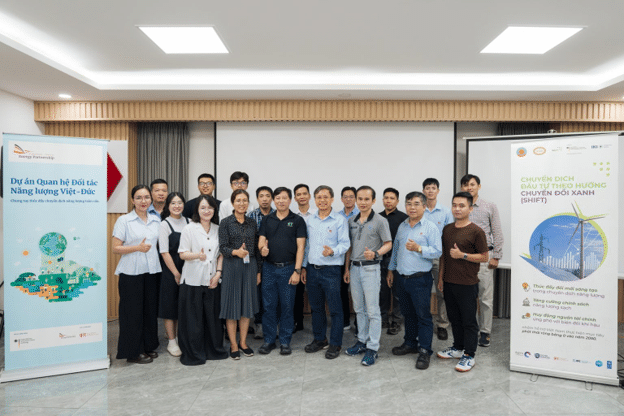
One of the key financial challenges is transforming standalone energy efficiency initiatives into bankable green investment projects, supported by sufficient data and evidence to meet the requirements of financial institutions.
In addition, participating companies shared technical challenges and lessons learned related to rooftop solar installation, energy metering and digital energy management, the limited availability of primary and secondary data for greenhouse gas inventories. Classification of energy efficiency measures and the optimisation of pumping systems, compressed air systems, motors, and transport operations were also part of the discussion.