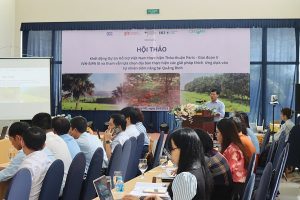
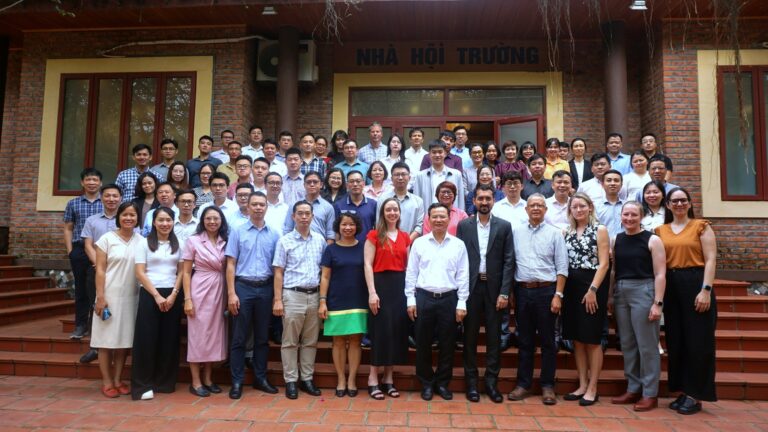
Farmers and authorities in Ha Tinh discussed the provincial-scale implementation of nature-based solutions for adaptation, considering existing pilots. By integrating agroforestry and resilient nursing models, they built resilience against environmental shocks. A proposed provincial network connects government, business, and farmers to ensure the right funding and technical support reach the front lines.
Ha Tinh Department of Agriculture and Environment (DAE) and the Support to Vietnam for the Implementation of the Paris Agreement (VN-SIPA II) project organised a planning workshop on nature based solutions for adaptation and climate smart agriculture on 31 October 2025.
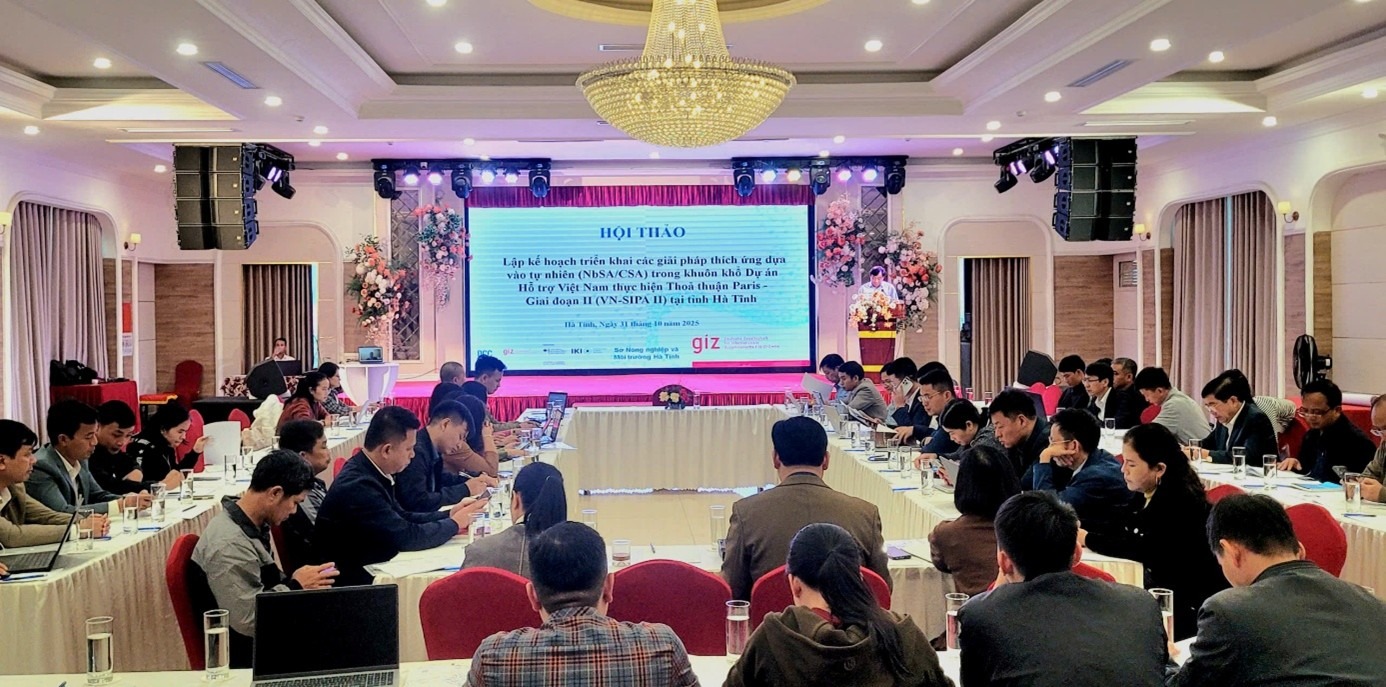
The workshop focused on the of restoration of ecosystems, enhancing biodiversity, and improving the adaptive capacity of local communities in a province that has been severely impacted by climate change and extreme weather events. This resulted in a roadmap that shifts Ha Tinh’s agricultural sector from conventional, resource-intensive practices toward a nature-based, climate-resilient framework that aligns with the goals of the Paris Agreement. GIZ representatives introduced the core concepts of NbSA and CSA, highlighting how healthy ecosystems serve as natural buffers that reduce disaster risks and increase the overall resilience of rural communities.
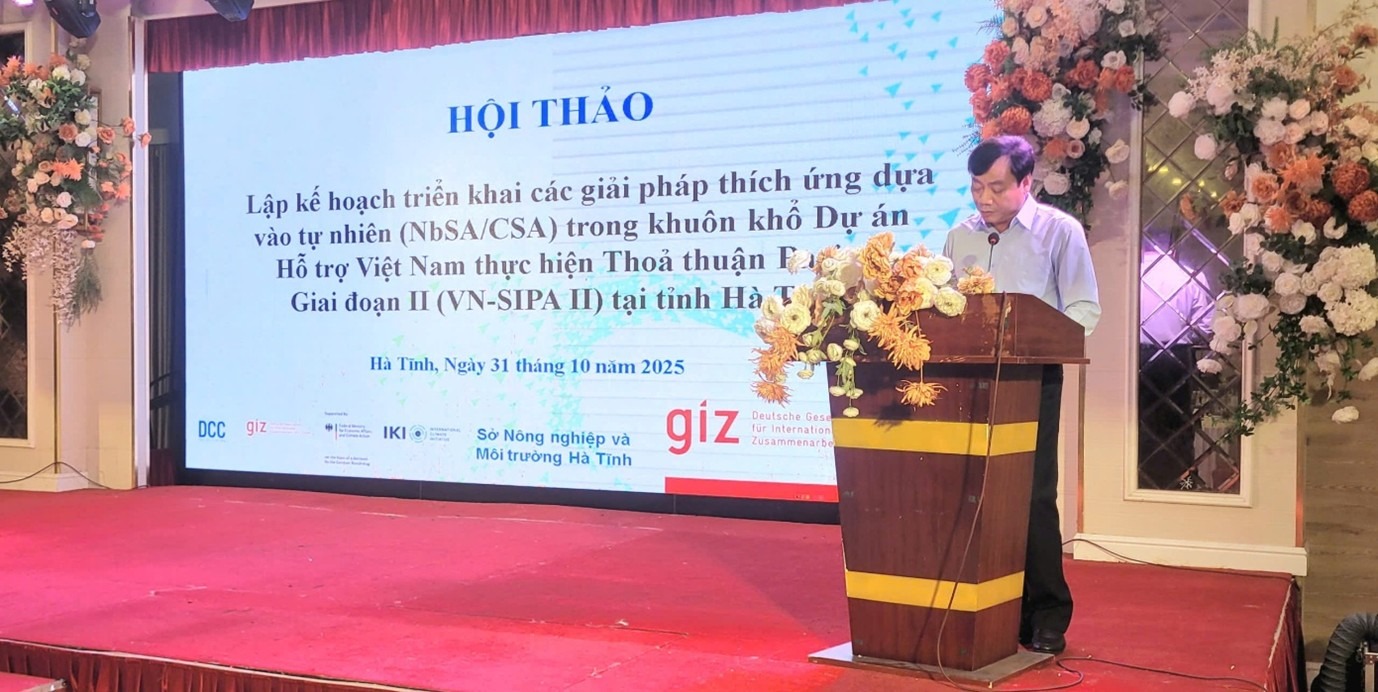
A core outcome of these discussions was the transition from pilot models to provincial-scale implementation. The Ha Tinh Provincial Agricultural Extension Center presented potential sites and models across five initial communes, while the Ha Tinh Provincial Farmers’ Union followed with a plan to scale these initiatives to 20 communes during the 2025–2027 period. To support this growth, delegates proposed the formation of a provincial-level NbSA network that will serve as a vital link between the government, businesses, and social organisations, ensuring that technical support and investment capital reach cooperatives and core farmer households directly. This systemic approach is intended to create positive changes in resource management and environmental protection across the province.
Detailed discussions also addressed the heavy reliance on chemical fertilisers, which currently account for 80% to 90% of local usage. Delegates identified that while chemicals are favoured for their quick results, the long-term solution lies in a closed-loop value chain that utilises microbial inoculants to compost rice straw and agricultural by-products instead of burning them. Furthermore, the workshop addressed the severe climate impacts on aquaculture, which suffered losses of nearly 300 billion VND in 2025 due to storms and floods. In response, stakeholders proposed shifting to polyculture, 2–3 stage nursing models, and greenhouse farming to shield livestock from environmental shocks, alongside agroforestry models that integrate native trees with beekeeping and medicinal plant cultivation.
Moving toward sustainable agriculture also requires modernising how farmers access information and reach consumers. The workshop highlighted the need to replace informal experience-based habits with seasonal agro-climate bulletins delivered via digital platforms to ensure timely warnings of extreme weather. Additionally, presentations emphasised empowering cooperatives – particularly those managed by women – to move beyond traditional traders and sell through e-commerce and clean-food chains. By focusing on regional specialities, the province aims to improve market competitiveness while ensuring social inclusion through targeted digital and technical training for women and the rural poor.
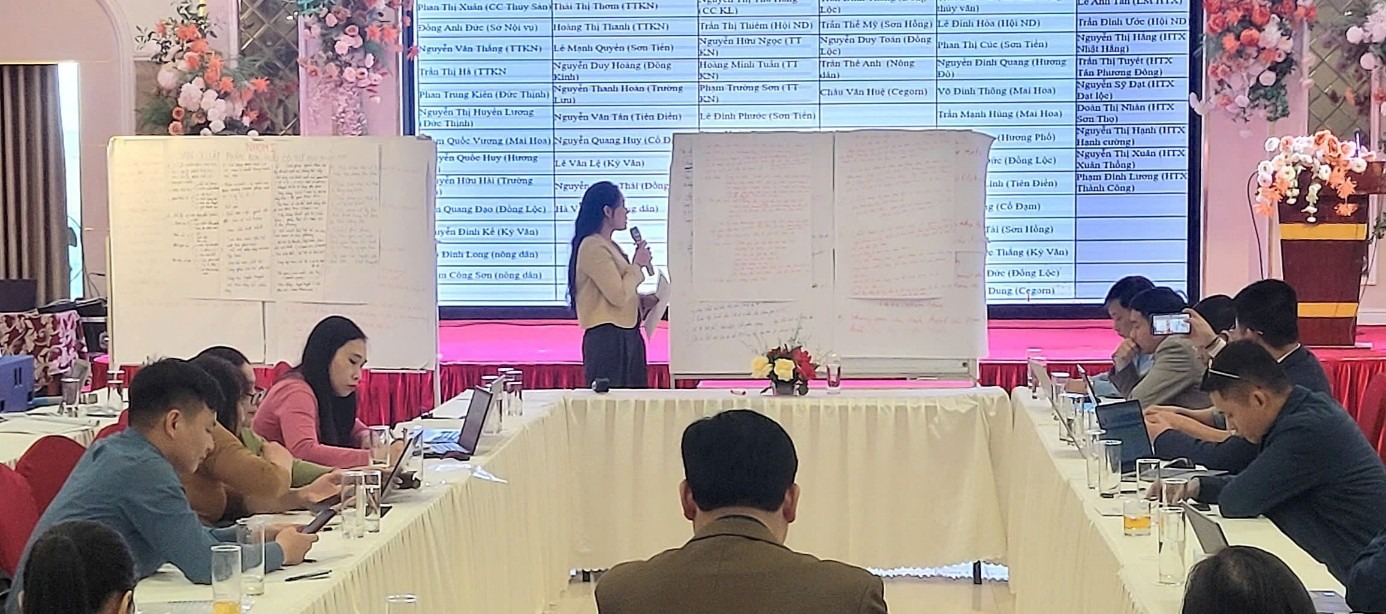
The workshop solidified the partnership between the Ha Tinh Department of Agriculture and Environment (DAE) and GIZ under the Framework of the VN-SIPA II project. GIZ has committed to providing ongoing technical and financial support for the planning, monitoring, and evaluation phases.
These outcomes represent a significant step in Ha Tinh’s commitment to the Paris Agreement, ensuring that the province’s agricultural sector is not only sustainable but also a primary driver of climate adaptation for its people.
For more information about the project, please visit the following link: Support to Viet Nam for the Implementation of the Paris Agreement II | Internationale Klimaschutzinitiative (IKI)