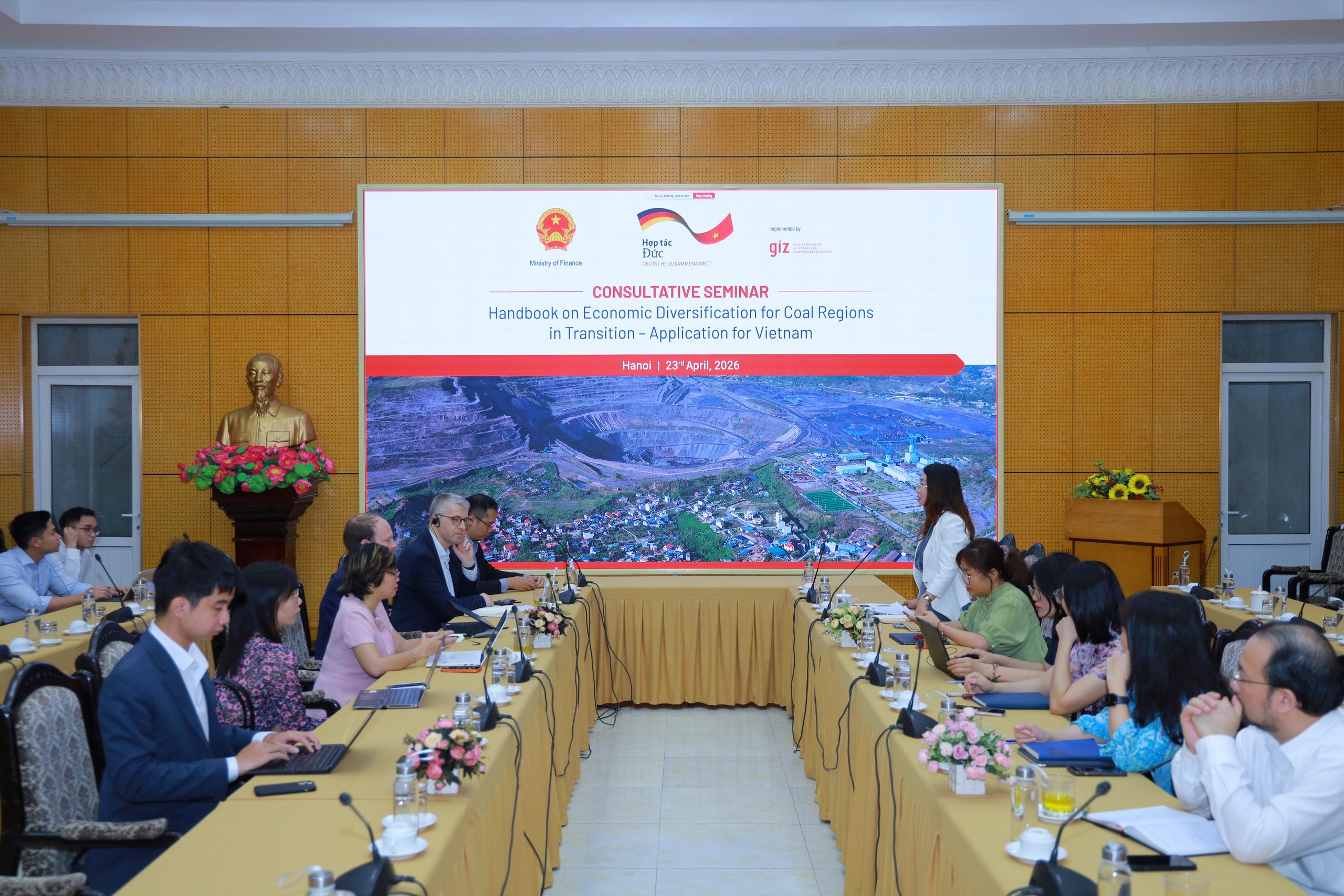
As countries around the world accelerate efforts to meet their climate commitments and gradually phase down coal-fired power generation, coal-dependent regions face increasing pressure to transform their economic structures. Beyond reducing greenhouse gas emissions, the energy transition must also safeguard livelihoods, sustain economic growth, and promote social stability in affected communities.
On 23 April 2026, the Deutsche Gesellschaft für Internationale Zusammenarbeit (GIZ) GmbH, in collaboration with the National Institute for Economic and Financial Strategy and Policy (NIEF) under the Ministry of Finance, convened a consultation workshop on economic diversification for coal regions undergoing energy transition. The event brought together 25 economists and policy experts to explore strategies that can help coal-dependent regions develop new growth drivers while advancing a just energy transition.
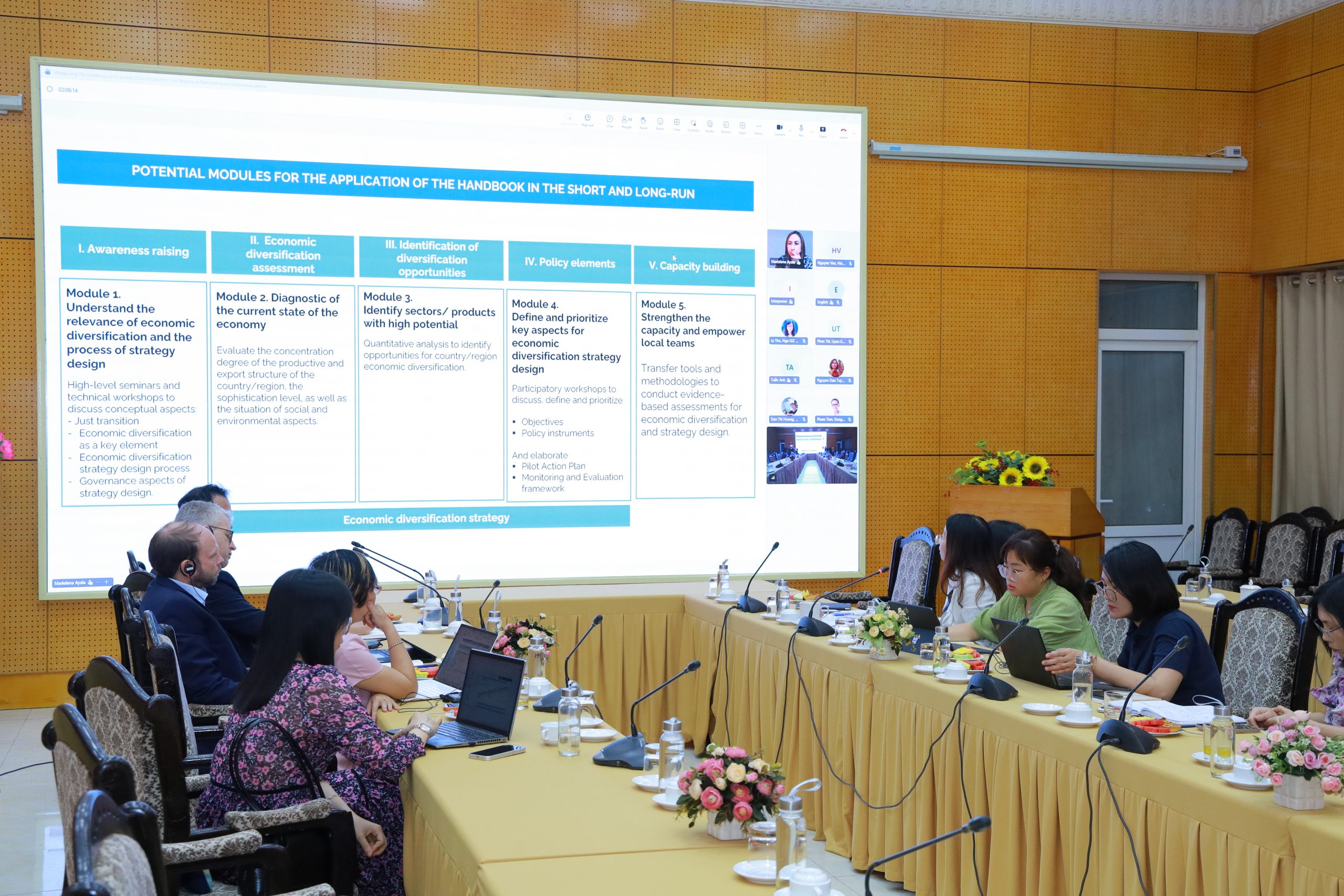
During the workshop, participants discussed the Handbook on Economic Diversification for Coal Regions in Transition, developed by the Global Policy Incubator (GPI) under the Just Energy Transition for Coal Regions (JET IKI) project. The handbook offers a systematic approach to identifying and assessing alternative economic sectors that can support regional development beyond coal, while taking into account economic, social, and environmental considerations.
The handbook seeks to address several key questions faced by policymakers, including which sectors hold the greatest potential to replace coal-related economic activities, which development pathways can deliver both social and environmental benefits, and how to design transition strategies that are effective, inclusive, and responsive to the needs of affected stakeholders.
Participants also exchanged views on how the handbook’s methodologies and recommendations could be applied in the Vietnamese context to support policymaking and foster sustainable economic development in regions affected by the energy transition.
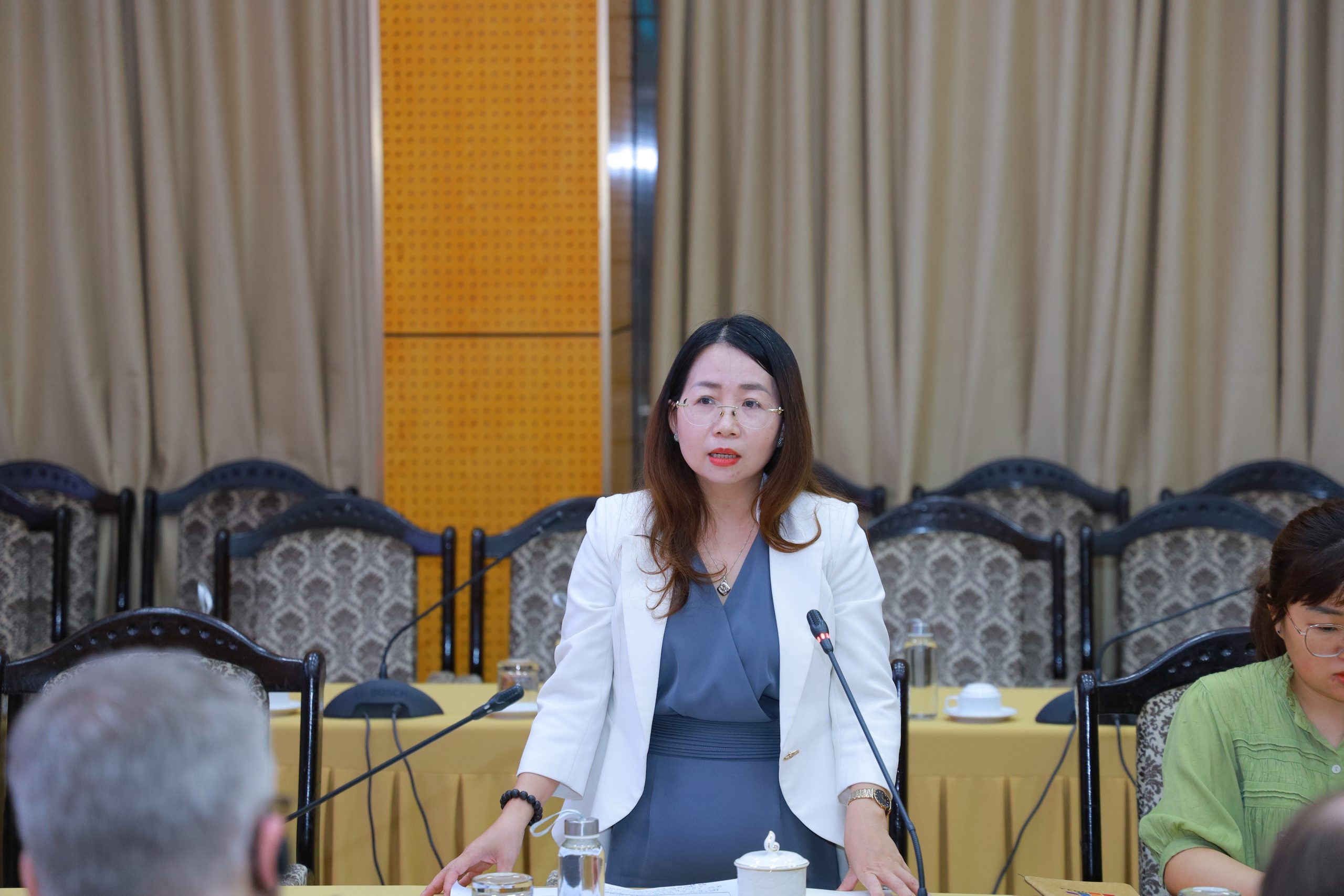
Commenting on the handbook, Ms. Le Thi Thuy Van, Vice President of NIEF, noted that the publication provides valuable methodological guidance and could serve as a practical tool for supporting research, policy advice, and institutional development related to the implementation of a just energy transition in Viet Nam.
Insights and recommendations generated during the workshop are expected to contribute to the development of policies that promote a just energy transition while supporting long-term, sustainable economic growth in coal-dependent regions.
For more details about the project, please visit: Innovation Regions for a Just Energy Transition | Internationale Klimaschutzinitiative (IKI)