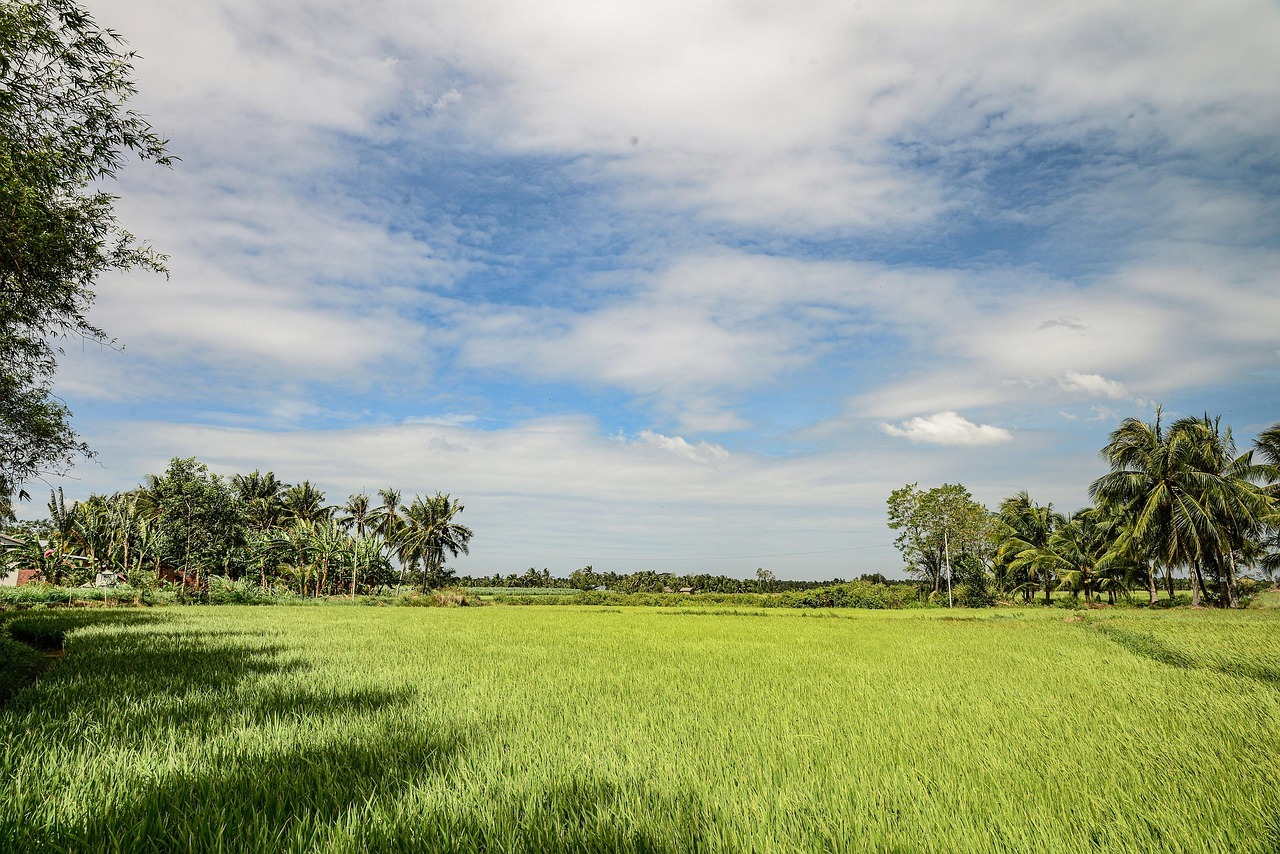
Biodiversity conservation is considered a key priority in Viet Nam’s environmental and climate policies. At the end of July 2026, the Central Committee of the Communist Party of Viet Nam issued Conclusion No. 75-KL/TW, following the Third Plenary Session of the 14th Central Committee, on environmental protection and proactive responses to climate change in the new era. The conclusion maintains the forest coverage target at 42%, while retaining the target that marine and coastal protected areas account for 6% of the natural area of Viet Nam’s national marine and coastal area, . However, beyond these quantitative targets for protected area coverage, it is time for Viet Nam to place greater attention and investment in the quality, biodiversity value and environmental benefits that these protected areas can deliver for the country’s sustainable development.
The 42% Forest Coverage Target
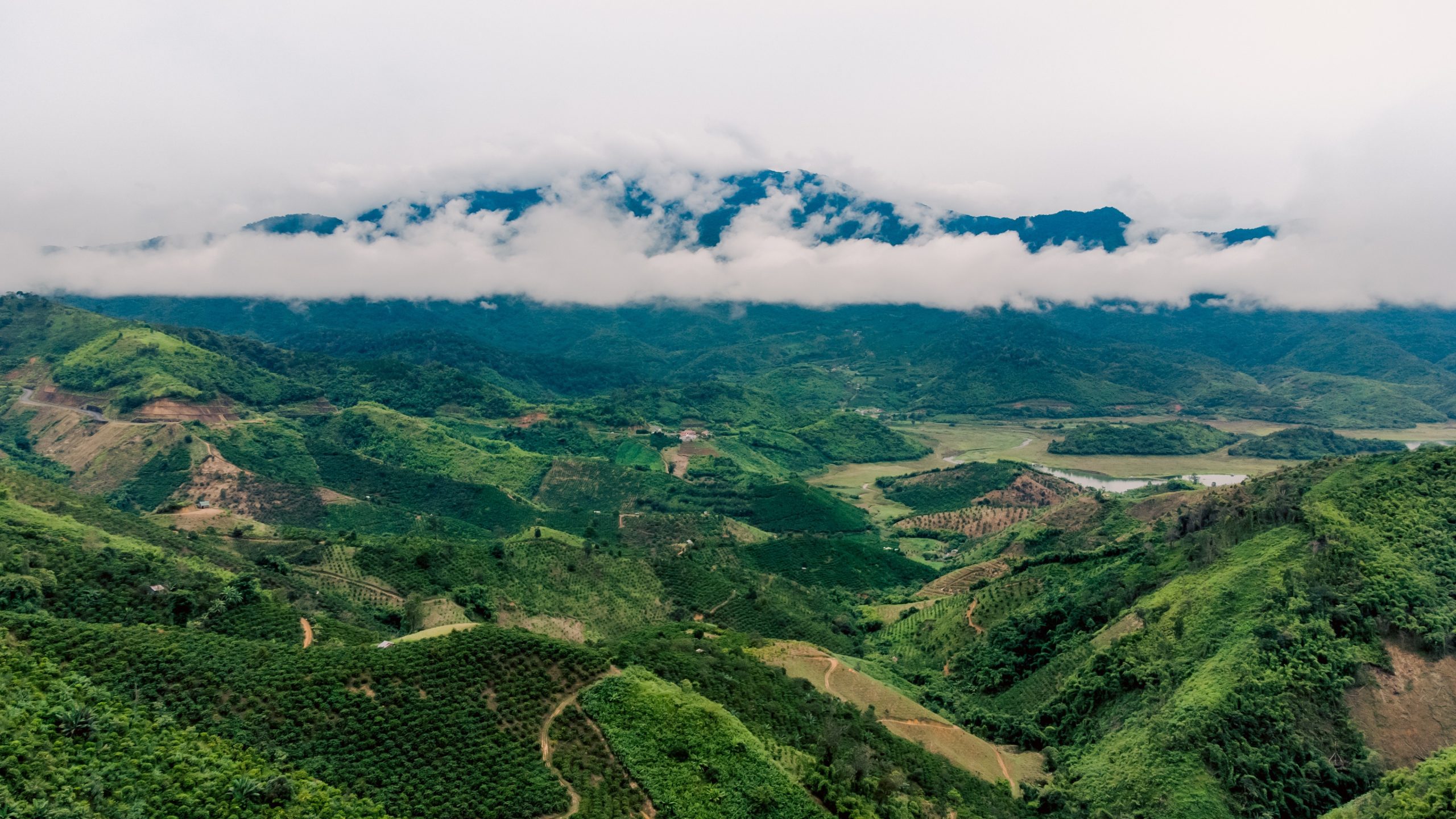
Viet Nam has maintained a stable forest coverage rate of 42% in recent years. This reflects the long-term consistency of the country’s policy direction, from the target of increasing forest coverage to above 45% under Resolution No. 24-NQ/TW in 2013, to the target of maintaining forest coverage at 42% under Resolution No. 19-NQ/TW in 2022, which was subsequently elaborated through the Viet Nam Forestry Development Strategy for 2021–2030, the Sustainable Forestry Development Programme and various government plans and programmes. Conclusion No. 75-KL/TW continues to identify the 42% forest coverage rate as one of the key targets for 2026–2030.
However, progress in forest coverage should not be equated with progress in forest quality and conservation effectiveness. Maintaining a 42% coverage rate broadly indicates that Viet Nam has been able to safeguard the overall extent of forest at the national level, but this figure does not fully capture the condition of natural forests, the extent of forest degradation and habitat fragmentation, ecosystem integrity, biodiversity or the capacity of forests to provide ecosystem services. The challenge for the coming period is therefore no longer expanding forest area to reach a particular coverage ratio but about ensuring the quality, integrity and ecological functions of the forests already maintained.
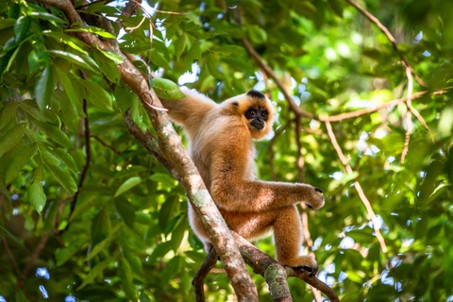
Notably in Conclusion No. 75-KL/TW, the forest coverage target is placed within a broader set of requirements for ecosystem protection and restoration, preventing biodiversity loss, conserving nature and developing green carbon sinks. This provides a basis for moving from an approach focused primarily on forest cover towards greater attention to forest condition, ecosystem integrity and ecosystem functions. This direction is also consistent with the implementation of the Kunming–Montreal Global Biodiversity Framework (GBF) and Viet Nam’s National Biodiversity Strategy to 2030, vision to 2050, particularly its objectives on ecosystem restoration, effective conservation of areas of biodiversity importance and the maintenance of ecosystem functions.
Viet Nam’s efforts to achieve and maintain the 42% target can therefore be considered relatively successful in terms of forest area and demonstrate strong and sustained political commitment. However, for this target to have greater substantive meaning for the environment and biodiversity, the focus during 2026–2030 should shift from “maintaining 42% forest coverage” to “maintaining 42% of forest area with good quality, ecological integrity and functioning ecosystems.”
Accordingly, the monitoring system in the coming period should incorporate indicators that capture the quality of natural forests, the status and trends of forest degradation, the degree of habitat fragmentation and ecological connectivity, the extent and effectiveness of ecosystem restoration, biodiversity status and the contribution of forests to carbon sequestration. Integrating forest monitoring systems with biodiversity monitoring and spatial databases will be crucial to determining whether Viet Nam is not merely “maintaining 42%”, but actually “maintaining healthy forest ecosystems with high conservation value.”
The Target of conserving 6% Marine and Coastal Area
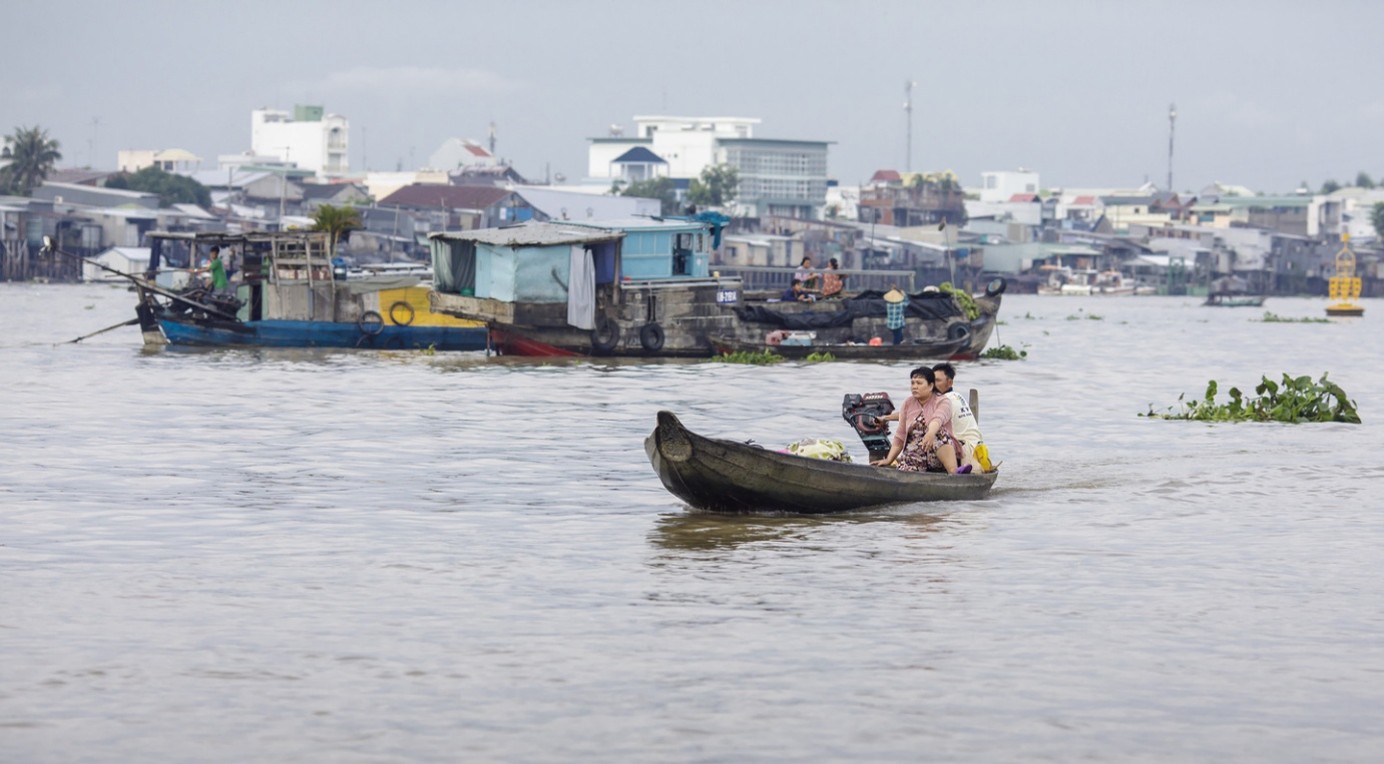
Overall, progress towards the target of having marine and coastal protected areas account for 6% of the natural area of Viet Nam’s national marine waters shows significant advances in policy, institutions and planning.Since Resolution No. 36-NQ/TW in 2018 on the Strategy for Sustainable Development of Viet Nam’s Marine Economy to 2030, with a Vision to 2045, the 6% target has been maintained and gradually translated into concrete measures through the 2017 Fisheries Law, sectoral plans, Decision No. 389/QD-TTg in 2024, and, in particular, Decision No. 1539/QD-TTg in 2024 on expanding and establishing new marine protected areas, fisheries resource protection zones and areas for marine ecosystem restoration. Notably, the 6% target is more ambitious than the 3 – 5% target set out in the National Strategy on Biodiversity to 2030, vision to 2050 (NBS).
These steps demonstrate that the 6% target has evolved from a political commitment at the central level into a target supported by a legal framework, spatial planning and a relatively concrete implementation roadmap. This commitment was once again reaffirmed in Conclusion 75-KL/TW. Including this target among the country’s key central-level indicators signals that marine conservation has been elevated from a task primarily associated with fisheries and marine economic development to a national environmental and nature conservation priority. At the same time, this provides a stronger political basis for mobilising resources, strengthening inter-sectoral coordination and encouraging local authorities to accelerate the establishment, expansion and effective management of protected areas.

However, progress in terms of area remains insufficient to meet the 6% target if measured solely through conventionally established marine protected areas. To date, only seven marine protected areas have been established, along with five marine areas managed within national parks, covering a combined area of approximately 215,191 hectares, equivalent to around 0.215% of Viet Nam’s national marine waters.
Viet Nam’s approach to achieve the 6% target is not solely by expanding the conventional marine protected area network. Instead, it encompasses a range of conservation areas and measures, including fisheries resources protection zones, fisheries closure areas, Other Area-Based Effective Conservation Measures (OECMs), coastal wetlands and restored ecosystems. This approach creates a realistic pathway for Viet Nam to move towards the 6% target while also aligning more closely with international commitments and GBF Target 3, under which effective conservation measures outside protected areas can also contribute to marine conservation targets.
However, this broader approach also presents significant challenges in terms of conservation quality and effectiveness. The designation of an area or its inclusion in a conservation category does not necessarily mean that the area is effectively managed or delivers meaningful conservation outcomes. Therefore, during 2026–2030, the challenge will not simply be to “reach 6% in area”, but also to ensure that the selected areas have clearly defined delineations, appropriate management mechanisms, adequate resources, meaningful stakeholder participation and measurable, monitorable and demonstrable conservation outcomes.
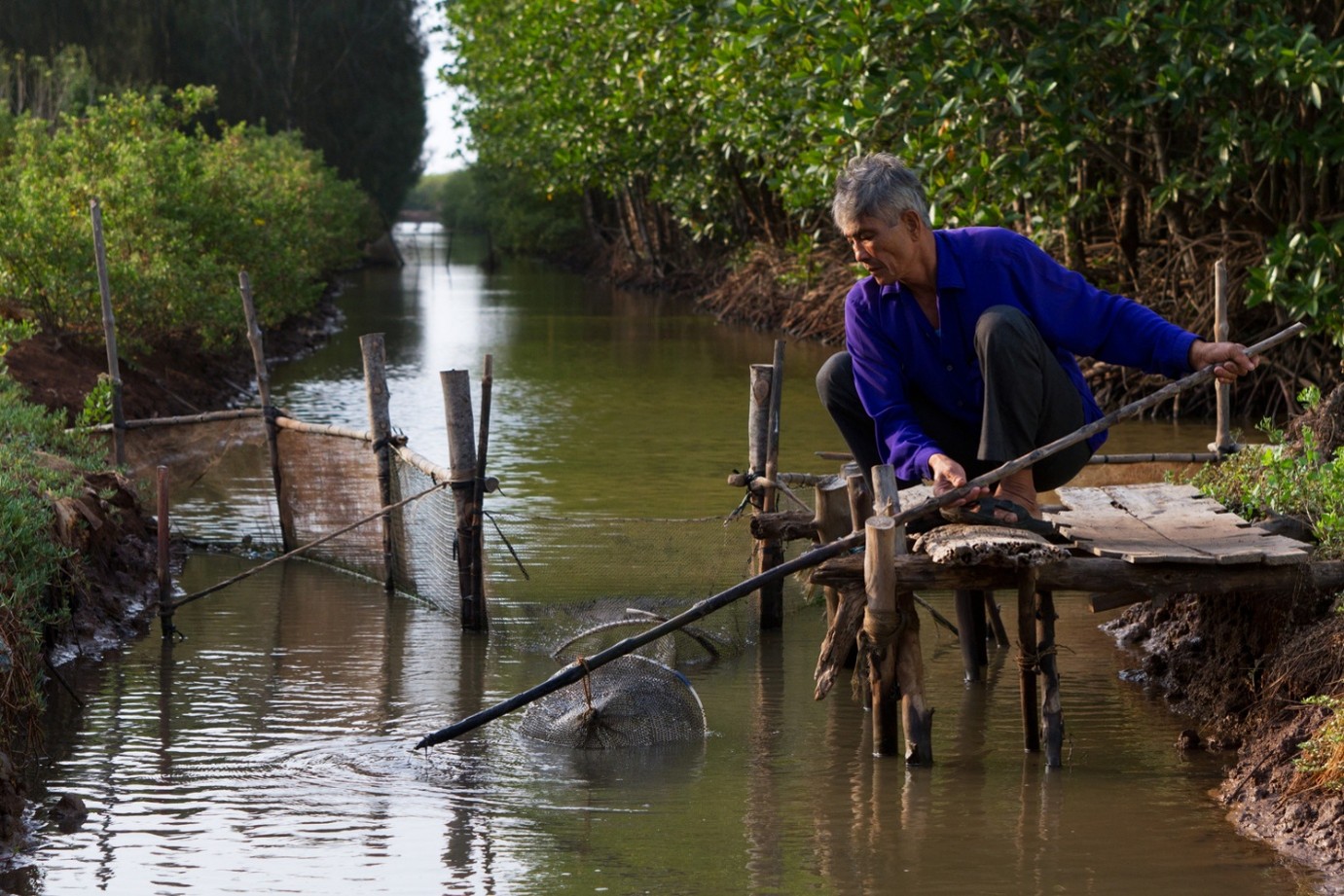
Viet Nam can therefore be considered to have made strong progress in political commitment and policy development towards the 6% target, while still accelerating implementation and translating policy into tangible results. The focus during 2026–2030 should shift from “expanding designated areas” to “ensuring that conserved areas are effectively protected and managed.” At the same time, Viet Nam needs to develop an integrated monitoring system that tracks not only the proportion of marine areas contributing to the 6% target but also the condition of marine ecosystems, biodiversity trends, ecosystem restoration, management effectiveness and the contribution of these areas to GBF Target 3. With such an approach, the 6% target would no longer be viewed simply as an indicator of area but as evidence of effective marine conservation in Viet Nam.
Conclusion
Over the years, the area-based targets for terrestrial and marine conservation have demonstrated Viet Nam’s long-term commitment to biodiversity conservation, gradually expanding and maintaining space for nature and ecosystems. Further than this, the quality and effectiveness of conservation efforts must become the central focus of the coming period. This is essential to ensure that protected areas deliver meaningful conservation outcomes while contributing to a balanced approach that reconciles nature conservation with sustainable socio-economic development.
Full version (in Vietnamese) of the Conclusion can be found here: Conclusion 75