A new climate investment fund targeting agriculture, forestry and land use in the Lower Mekong Region has been approved at the Green Climate Fund (GCF)‘s 45th Board Meeting, held from 29 June to 2 July 2026 in Dushanbe, Tajikistan. The Mekong Earth Regeneration Fund (MERF), registered as funding proposal FP307, seeks USD 50 million in GCF equity to anchor a total fund size of USD 200 million. The remaining USD 150 million is targeted from a roughly 60:40 mix of public sources (multilateral development banks and development finance institutions) and private investors, though the private portion is expected to close later, the fund’s first close will draw primarily on public and concessional capital. Deutsche Bank AG serves as the GCF-accredited entity, while Mekong Capital – one of Viet Nam’s most established private equity managers with over 25 years of experience – acts as investment adviser through its subsidiary Vision Growth Ltd.
What the fund does
MERF is structured as a closed-end equity fund registered in Luxembourg under a General Partner-Limited Partner framework. It targets growth-stage companies in the agriculture, forestry and other land use (AFOLU) sector that are transitioning toward regenerative and climate-resilient business models. Rather than lending to smallholder farmers directly, MERF invests equity, typically minority stakes of 15-49% into agribusinesses that operate across multiple stages of the value chain, sourcing from farmers while also providing them inputs, trainings and market access, rather than companies that solely grow or trade a crop. The fund deploys capital in deal sizes of USD 3-20 million per investment, targeting 10-12 portfolio companies over a five-year investment period, with exits expected between years 10 and 12.
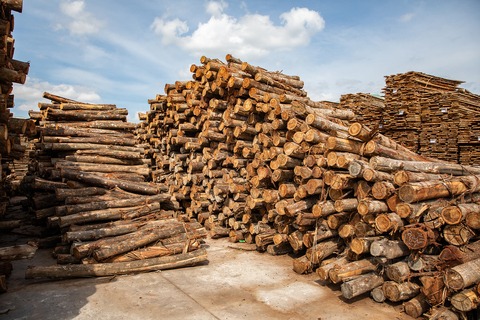
The sectors’ priorities include regenerative agriculture and organic inputs, agroforestry, sustainable timber and non-timber forest products, mangrove restoration and sustainable aquaculture. Portfolio companies are expected to provide technical assistance, climate-resilient seeds and market access support to the smallholder farmers in their supply chains.
Why Viet Nam is the primary focus
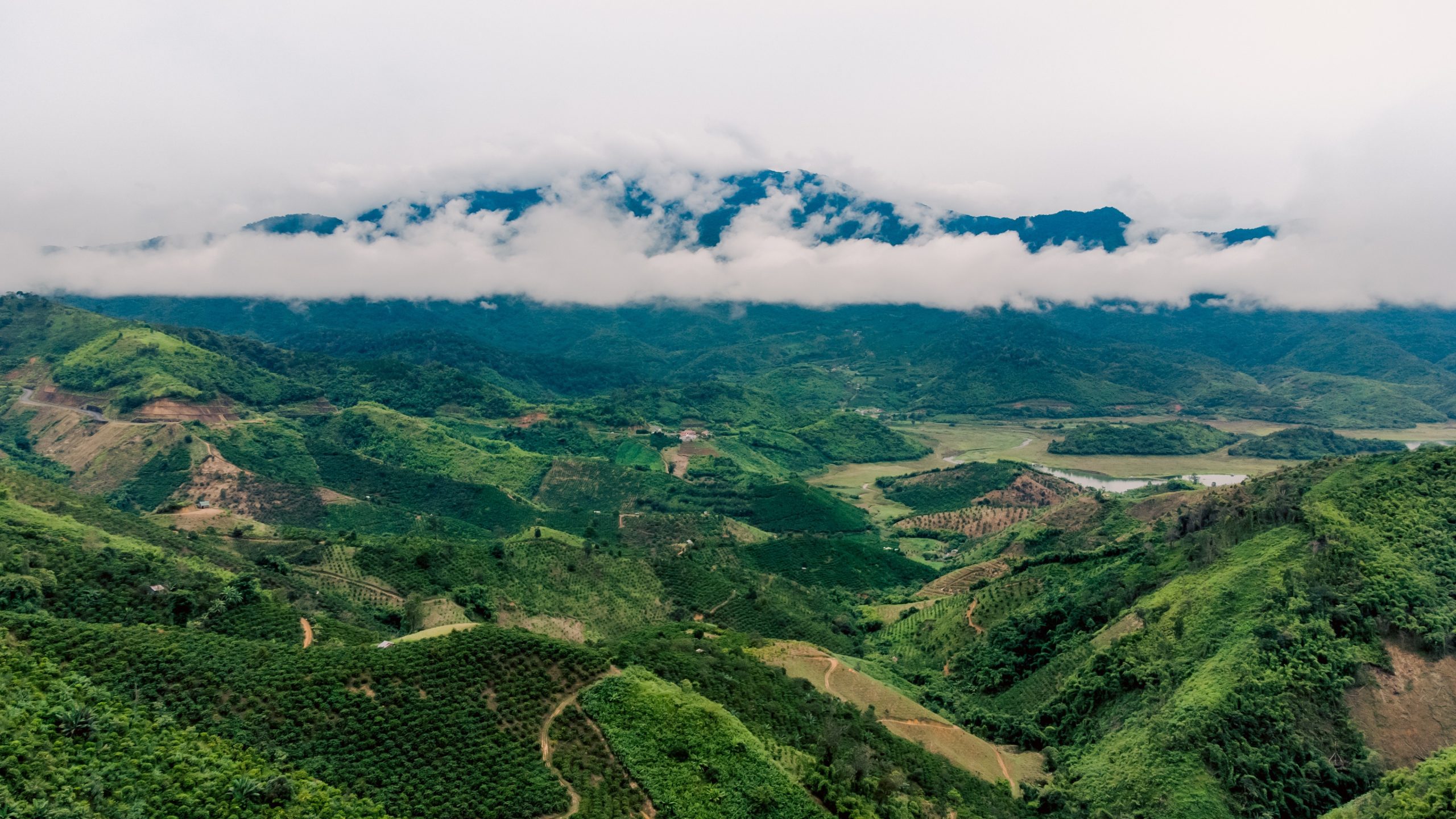
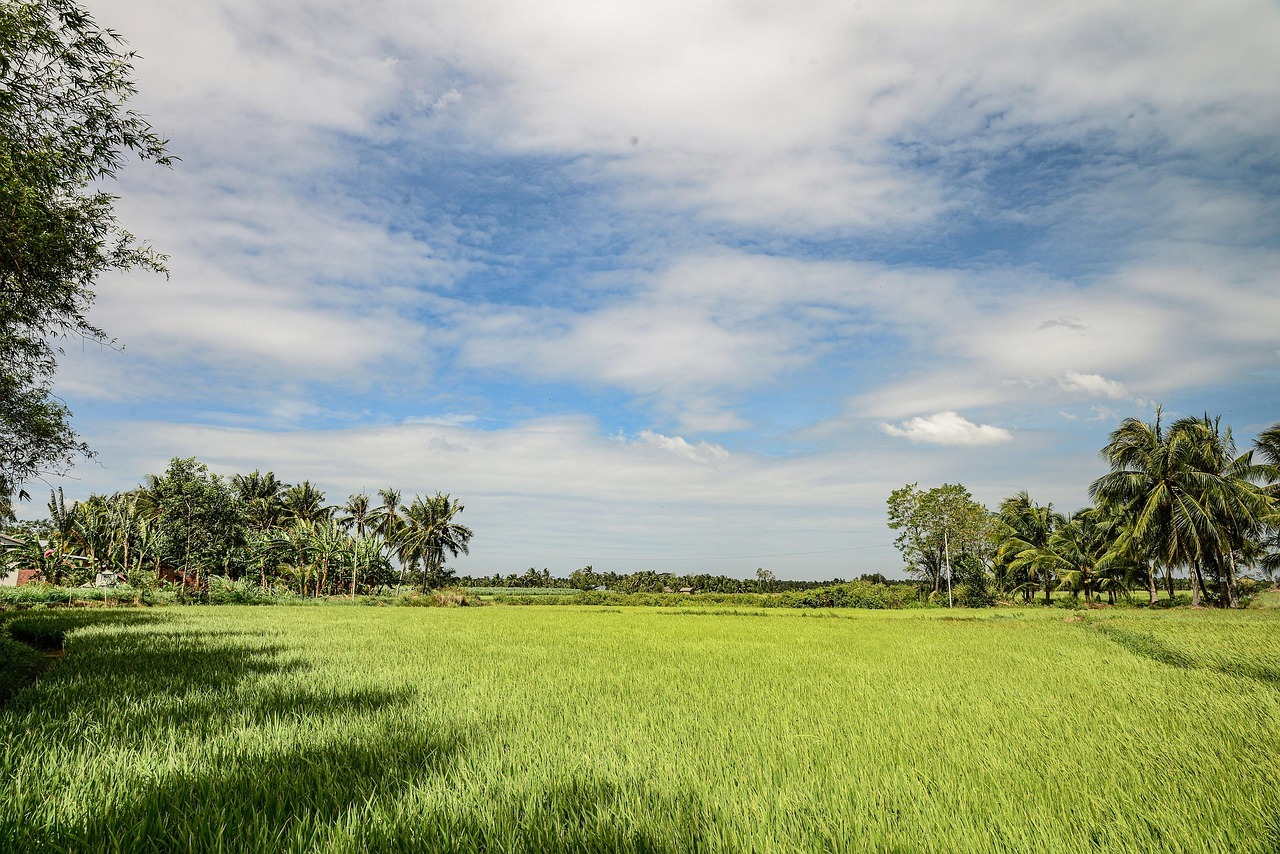
MERF targets the Lower Mekong Region, defined in this proposal as Lao PDR and Viet Nam. Of the fund’s total allocation, 85 percent is earmarked for Viet Nam and 15 percent for Lao PDR, a split driven by Mekong Capital’s existing footprint in Viet Nam, where it has raised and managed five investment funds totaling over USD 490 million since 2002, giving it a deeper deal pipeline than in Laos. Both countries face serious but distinct climate risks. In Viet Nam, parts of the Central Highlands could see temperature increases of 3°C to 5°C by 2050, threatening rubber, robusta coffee, and cassava production, while the Mekong Delta faces flooding and an estimated 0.3 m sea level rise driving salinity intrusion into farmland.
The fund is explicitly aligned with Viet Nam’s Nationally Determined Contribution (NDC) and National Adaptation Plan (NAP). This alignment is not merely rhetorical: all investee companies must meet dual impact criteria of contributing to at least one sustainable land use objective (such as carbon sequestration, forest protection or soil restoration) and at least one livelihood improvement objective (such as increased farmer income, food security or gender-inclusive growth). MERF’s GHG target is a reduction or removal of at least 8.49 million tCO₂e over the fund’s 12-year lifetime, across both countries combined.
The financing logic
MERF operates on a blended finance model. GCF’s USD 50 million sits in a junior tranche, meaning it absorbs losses first, protecting co-investors from downside risk and making the fund attractive to private and institutional capital. The intended leverage ratio is 1:3, with every dollar from GCF is expected to crowd in three dollars from others, bringing the total fund size to USD 200 million.
Mekong Capital’s post-investment approach, anchored in its proprietary Vision Driven Investing (VDI) framework, provides hands-on governance support to portfolio companies, including executive recruitment, financial benchmarking and environmental and social management systems.
Opportunities and open questions
MERF could potentially fill a gap in Viet Nam’s climate finance landscape. Most public climate finance flows to governments and state-linked entities; private agribusinesses operating in the AFOLU sector have had limited access to patient, equity-type capital aligned with climate goals. By channeling concessional capital through an experienced local fund manager with an established deal pipeline, MERF has already screened over 200 companies and identified 19 active opportunities. The fund is positioned to move faster than typical development finance vehicles.
That said, a few questions warrant watching. The 85% Viet Nam allocation and Mekong Capital’s role largely concentrate both opportunity and execution risk in a single market and manager. The fund’s impact depends heavily on how rigorously portfolio companies embed regenerative practices into their farmer supply chains, and on whether an adequate Technical Assistance Facility, referenced in the funding proposal but not yet fully defined, materialises to support monitoring and verification.
Source: https://www.greenclimate.fund/portfolio/projects/fp307