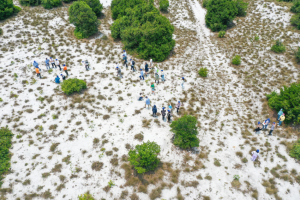
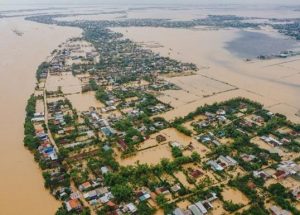
In the North Central Coast of Viet Nam, coastal forests provide crucial protection from storms, flooding and erosion. Yet, decades of overuse and the region’s harsh environmental conditions with sandy soils, high salinity, low nutrient content and extreme winds have left these forests highly degraded. Since 2018, unique land use GmbH and its partner, the Hue Union of Science and Technology Associations (HUSTA) have been implementing and fine-tuning the “Ecosystem-based adaptation on the northern central coast of Viet Nam: restoration and co-management of degraded dunes” project. The main objective of the project was to demonstrate how to restore degraded coastal forests by planting site-adapted native tree species and upscaling the model.
Being in its final phase, the project has gained many important experiences and lessons learned that are useful for Ecosystem-based Adaptation (EbA) in Viet Nam and beyond. Among the most important ones is that one major success factor of any tree planting initiative lies in the quality of the seedlings, impacting their growth performance and long-term survival. Often, seedling costs are perceived as a mere cost factor and accordingly, the seedling quality is very low. This translates into poor growth performance and high mortality rates, especially on sites with challenging soil and climatic conditions.
Why high-quality seedlings?
Across reforestation projects globally, success has often been measured by numbers: how many seedlings planted, how many hectares covered. However, focusing solely on planting numbers overlooks the critical question: how many seedlings survive post-project and grow well – a prerequisite to perform and contribute to mitigation, enhanced resilience or effective biodiversity protection?
The starting conditions in the North Central Coast were inherently difficult: strong frequent storms and flooding in the rainy season, extreme heat and prolonged droughts in the summer. In such difficult sites, successful establishment and long-term survival depend on species’ capability to cope with these hard conditions. Crucial are strength and morphology of roots, species suitability and early-stage care. Poor-quality seedlings often fail to establish, impacting the long-term goals and ultimately increasing restoration costs (e.g. through replanting).
Establishing a new quality standard for native tree seedlings
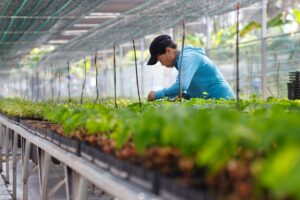
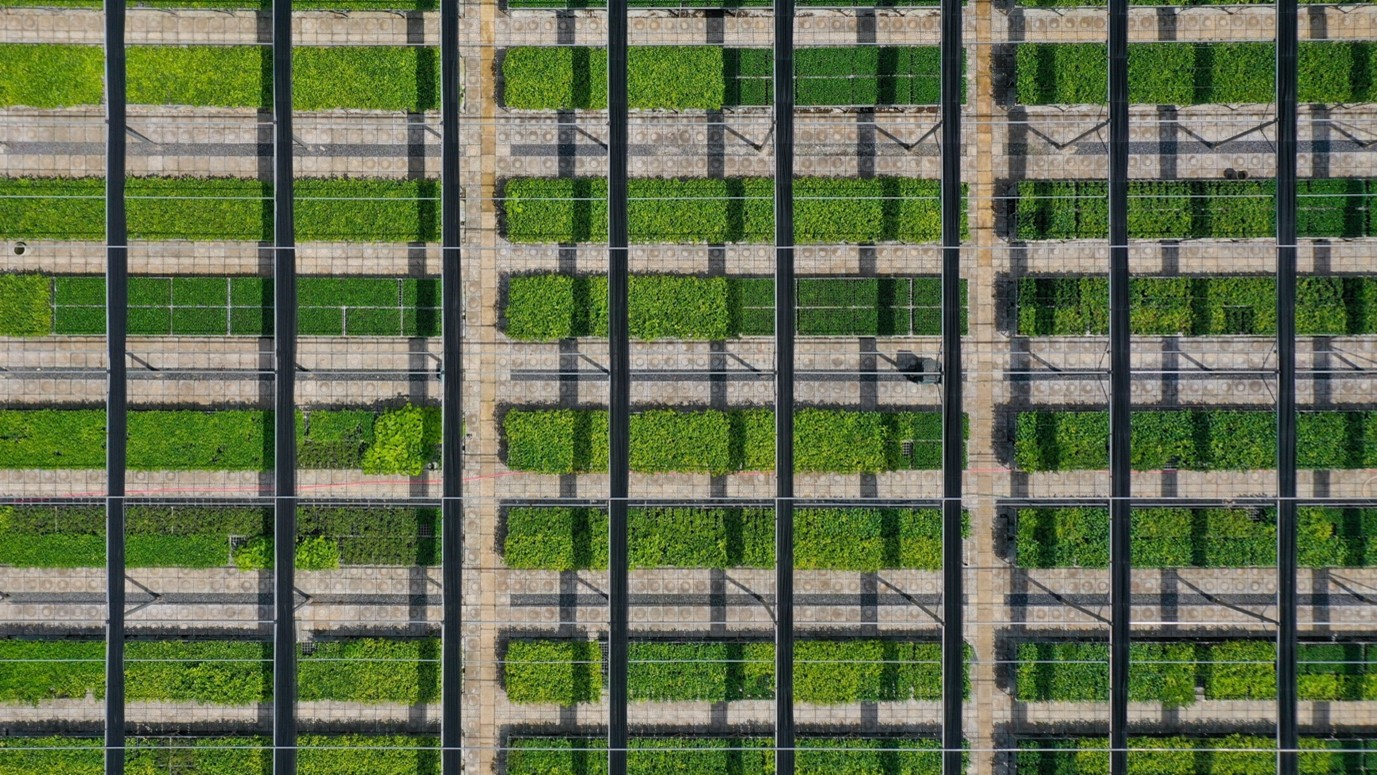
Initially, the project collected the seeds and contracted nursery owners to raise the seedlings. While the shoots looked decent as long as they were in the nursery, the roots were underdeveloped. Triggered by low quality and corresponding mortality rates of the first plantings, we have taken a decisive step in 2020 by taking the seedling production in our own hands. For this, the project established a best-practice nursery in partnership with a highly motivated and knowledgeable private nursery owner in Cam Lo in Quang Tri Province. Designed exclusively for native tree species, the nursery provides an environment where resilient seedlings can develop robust root systems adapted to extreme climate conditions.
Examples for the high-quality-seedling approach
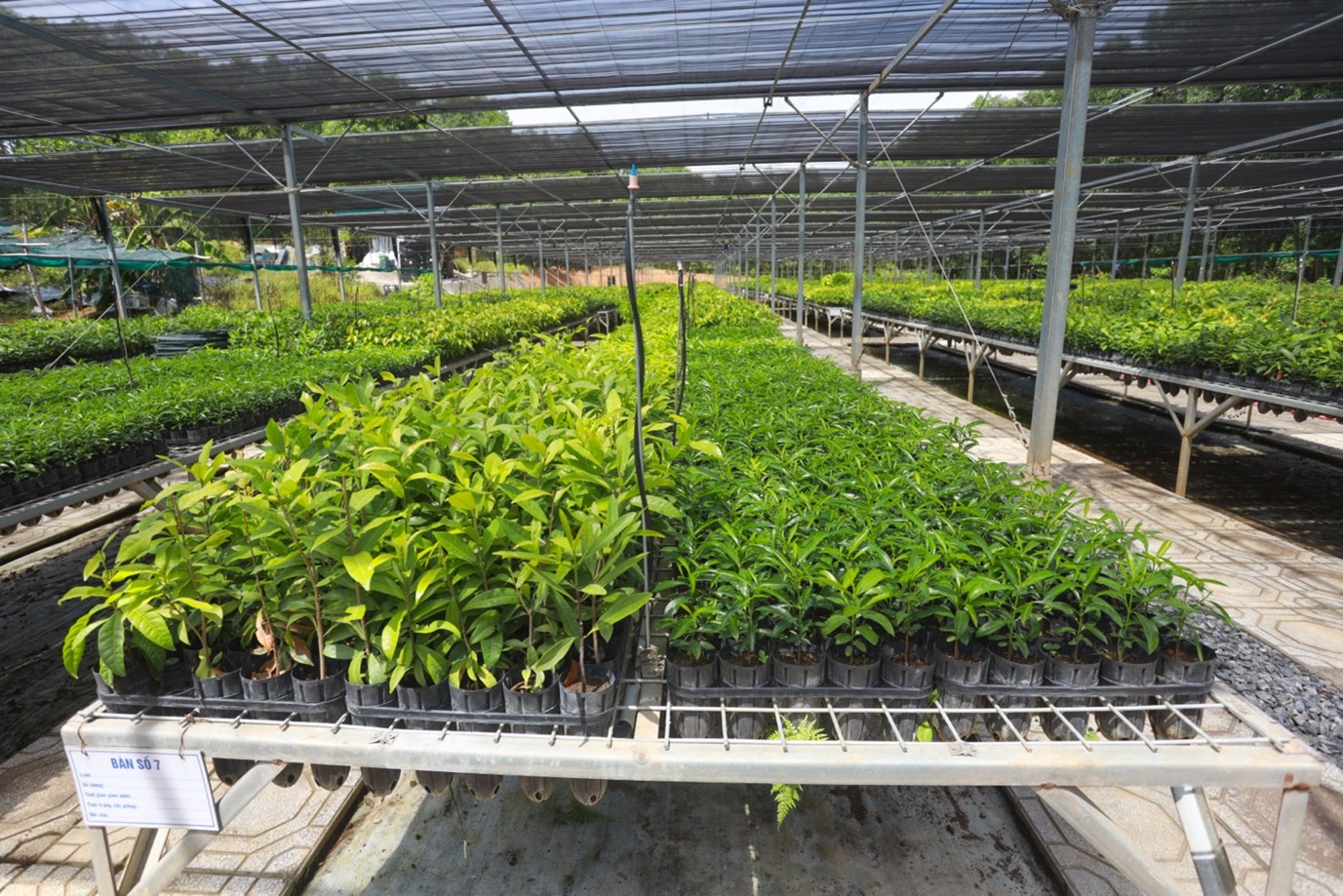
Common forestry nurseries in Viet Nam typically use simple ground-level seedbeds or small polybags placed directly on the ground. Neither specific substrate is used, nor provide the containers enough space for the tap root. These practices often lead to root spiralling or root breakage during transplanting. The substrate, once planted and exposed to drought, turns into a brick. The Cam Lo nursery builds on international nursery standards and uses raised tables, specific pots and trays, carefully managed and mixed substrates and step-by-step protocols to build seedling health from the start.
Seedlings are produced using cleaned, pre-treated seeds to prevent fungal infections. Germination occurs under shade nets, followed by transplanting into species-specific containers with customised substrates. Modern reusable pots with air-pruning features help prevent root spiralling and promote healthy root development. Root pruning and gradual hardening further strengthen seedlings which are selected for planting based on height and key root traits such as root length, collar diameter and root-to-shoot ratio.
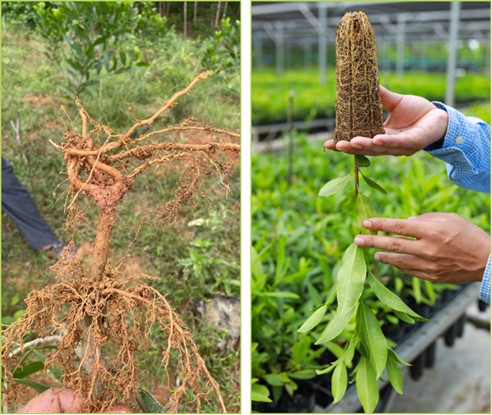
The project team develops and follows detailed protocols outlined in the nursery manual to guide each stage. Techniques include the use of bio-products for disease resistance, pruning guidelines, collection monitoring and pest control practices. Furthermore, the nursery also serves as a training hub to share best-practice methods with other partners and local communities.
Looking ahead
Building on the promising results from the planted “best-practice” seedlings, the project is now exploring options for upscaling which includes a sustainable business strategy for the Cam Lo nursery. Further measures to ensure that the project success is secured include a seed bank in Cam Lo, mapping vigorous mother trees for high quality seeds, commercialising seedling supply, offering nursery setup consultation and launching technical training programmes. This strategy will secure the project’s long-term impact and our commitment to quality, laying the foundation for larger-scale efforts and bringing the coastal forests back to the richness and resilience they once held.
For more information about the project, please visit: Ecosystem-based adaptation on the northern central coast of Vietnam: restoration and co-management of degraded dunes and mangroves | Internationale Klimaschutzinitiative (IKI)